
Seeing someone's mouth move while missing every third word—that was the question that followed me around longer than I want to admit, and it's the reason I started paying real attention to my hearing health in the first place, mostly through family dinners and phone calls I dreaded. My wife noticed first, as she always does, but noticing something and doing something about it turned out to be two very different projects.
Quick disclosure before I go further — some of the links below are affiliate links, and if you buy something through them I earn a small commission at no extra cost to you. I only write about products I've actually opened and tried alongside my own hearing aids. I'm not a doctor, not an audiologist, just a retired principal who got tired of nodding at conversations he couldn't actually hear. If your hearing has you worried, talk to your own doctor — I'm just sharing what's in my notebook.
The Clogged Ear Feeling Nobody Warned Me About After 50
That clogged sensation — like your ears are stuffed with something that won't shake loose — had been part of my life longer than I noticed. Three years into paying real attention to it, I can say it crept in slowly enough that I mistook it for just getting older. Thirty years in a school building will do that — cafeterias, gymnasiums, hallways between classes, the kind of noise loud enough to make safety-minded people wince, though I never once thought about it in numbers. Just the ringing in my skull by mid-afternoon.
Hearing aids helped with the volume part. They never touched the part where the whole world sounded like it was coming through something thick. That's what sent me looking into supplements like Quietum Plus in the first place, hoping there was more to ear health supplements than just turning things up louder.
There's a word for it — presbycusis — and if you look it up you'll get a tidy medical definition. What you won't get is the part where you ask your granddaughter to repeat herself for the fourth time and watch her small shoulders slump, just a little, like the moment isn't worth repeating again.
Restaurants became a kind of test I hadn't studied for. Phone calls left me more tired than they had any right to — by the time I'd finish one with an old colleague, my jaw ached from concentrating so hard on pulling words out of static. Some nights I'd just stay quiet at the dinner table instead of asking someone to repeat a joke a third time, which is its own small, lonely habit nobody warns you about. I miss how easy it all used to sound. Just easy.
Teaching Myself to Read Lips
For a while, I thought I could outsmart the problem instead of treating it. I spent evenings watching lip-reading tutorials on YouTube, convinced that with enough practice I could fill in whatever my ears were missing. Turns out that's a skill people spend years building, not something you pick up from a couch in a few sittings, and I gave it up feeling a little foolish for having tried.
Martin Callaghan, the gym teacher I worked alongside for most of my career, laughed when I told him about it over lunch. He still coaches a youth baseball team on Saturday mornings despite a knee that gave out years ago, and he said arguing with nine-year-olds about strike calls had taught him more about reading lips than any tutorial would. He wasn't wrong, either — real conversations don't wait around for you to get good at a workaround.

Starting the Logbook Instead of Guessing
So I started a different kind of tracking — a plain notebook where I'd jot down whether restaurants felt survivable, whether phone calls left me drained, whether the clogged pressure in my ears had shifted at all. I've written more about that process here: Beyond the Nod: What My Logbook Taught Me About Catching Every Word at Sunday Dinner, and keeping it going is honestly what turned guessing into something closer to evidence. Quietum Plus was the first supplement I folded into that routine, mostly because it's the name most people searching for ear health supplements run into first.
Some nights brought a faint ringing along with the fullness, which Quietum Plus markets itself toward specifically. I won't pretend to fully understand what's happening in there, and I'm not going to play scientist about ingredient panels I can look up but can't explain any better than the label already does.
Or Maybe It's Not Just Your Ears
Here is the thing my logbook flagged that caught me off guard — on days when I'd been clenching my jaw, over a difficult parent call or some dispute I had to referee, the fullness in my ears seemed worse. There's a real connection between jaw tension and ear pressure, and it's worth asking a professional about rather than me trying to explain it badly here. The short version has a name — TMJ — and it's worth mentioning to whoever handles your hearing care.
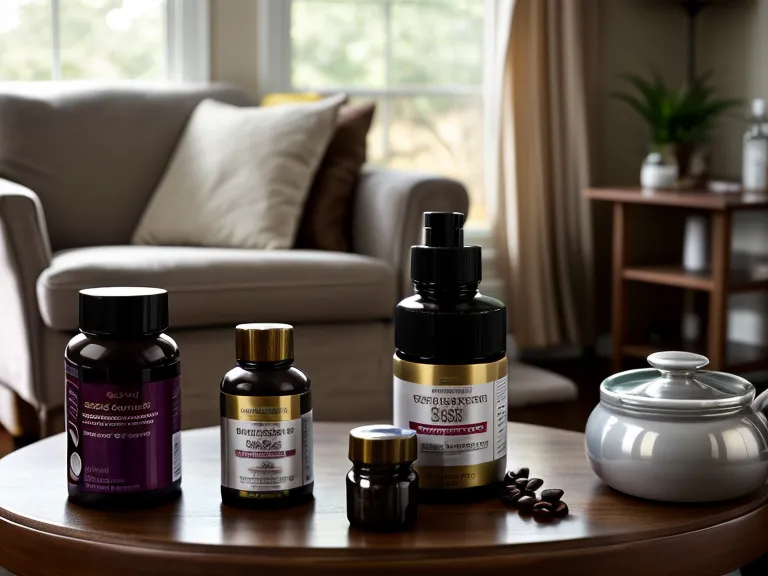
Testing Audifort Alongside Quietum Plus
By around the twelfth week of keeping notes, the pattern in my notebook had shifted from maybe-a-little-better to something I could actually point to — fewer repeat-askings at dinner, phone calls that didn't leave my jaw sore afterward. Somewhere in that stretch I got curious about Audifort too, mostly because the formula looked different enough from Quietum Plus to be worth comparing side by side instead of just taking one supplement's word for it.
Audifort became the one I reached for most consistently after that — you can see the current Audifort lineup through that link if you're curious. I won't tell you one supplement works and the other doesn't; hearing is too personal and too different from person to person for that kind of flat claim, and I still wear my hearing aids every day regardless of which bottle is on the counter.

I put together a longer, more detailed comparison if you want the nitty-gritty instead of my shorthand version here: Finding Clarity Again: My Experience with Audifort and Quietum Plus After Decades of School Hallway Noise. Reading ingredient panels side by side is its own kind of homework, and I'd rather point you there than repeat myself badly in this post.
Comparing Notes With Someone Who Gets It
My neighbor Glenda started wearing hearing aids not long after I did, and we've gotten into the habit of trading notes over the fence about which restaurants in town are actually survivable. She tests out new tricks — where to sit, when to ask someone to slow down — at her church choir practice first, since it's noisy enough to be useful but forgiving enough that nobody minds if she gets it wrong.
Hearing aids and supplements aren't competing for the same job, in my experience. The aids handle volume. The supplements are what I credit for the fullness easing up over time, and I use both without feeling like I'm hedging my bets on either one.
I noticed the difference most clearly in an unlikely place — the reading room at the Milton Public Library. It's quiet in a particular way, the kind where every page turn and chair scrape carries further than it should, and for years that hollow, echoing quiet used to swallow whatever anyone said to me there. Last time I sat in that room, a volunteer leaned over to ask if I needed help finding something, and I caught every word on the first try without asking her to repeat it.
Look, explaining any of this to people who don't live with it is its own project. Most of my friends assume hearing aids fix everything the same way glasses fix eyesight, and the supplement part confuses them until I walk through my notebook with them.
There's more I could say about protecting what hearing I've got left, about learning the handful of terms that keep showing up in every article on the subject, about what all of this actually adds up to costing every month. Those are longer conversations than this post has room for. A few people have asked whether any of this throws off their balance too — that hasn't been my experience, but I know it worries some folks enough that it's worth asking your own doctor directly.
Sunday Dinner Sounds Different Now
Last Sunday, my granddaughter told a long, rambling story about her week at the dinner table. Only afterward did it strike me that I'd followed every word of it without once needing to watch her mouth to catch what I might have missed — I'd just listened, the way I used to before any of this started.
If any of this sounds familiar — the clogged feeling, the nodding along, the dinners where you're guessing more than hearing — the first real step isn't a supplement, it's a conversation with whoever handles your hearing care. I wrote out some thoughts on how to start that conversation here: How to Talk to Your Doctor About Age Related Hearing Concerns, and it's a better first move than anything in my notebook.

Final Thoughts From Three Years of Notes
Boiled down, three years of notebook pages add up to one piece of advice: track something specific instead of just feeling vaguely better or worse, because specifics are what let you tell a real improvement from wishful thinking. Whether that's Quietum Plus, Audifort, or nothing from a bottle at all, there are ways to support the hearing you've got left without deciding the clogged feeling is just something you have to live with.
Don't let the quiet get too heavy before you do something about it. Ask questions, keep notes, and talk to someone qualified if the fullness doesn't let up. Check out the latest support options for ear health and clarity here.