
A hearing aid makes a room louder. A full sentence carried across a dinner table is a different thing entirely, and closing that gap took a log, not a volume dial. A year of tracking hearing health after 50 taught me more about my own ears than the hearing aids or the supplements ever did on their own — mostly because the pattern that showed up had almost nothing to do with volume and everything to do with where the noise came from, how tired my ears already were, and what, if anything, I'd taken that morning besides coffee. Auditory clarity, it turns out, is a much narrower target than just "louder."
Quick disclosure before the specifics: a few links ahead are affiliate ones, and I earn a small commission if you buy through them, at no extra cost to you. I only write about products I've actually used alongside my hearing aids, and nothing here is medical advice. I'm not a doctor or an audiologist, just a retired principal well past fifty who kept better notes than excuses. Talk to a professional first if your own hearing is changing — a blog is a poor substitute for an actual exam.
What a Noisy Room Actually Measures
Restaurants, gyms, and crowded lobbies all do the same thing to a strained ear — they turn the room itself into the loudest voice in the conversation, and open, echoing spaces scramble consonants in a way a quiet room never does. A decibel level reading in a packed dining room isn't that different from what you'd measure in any other loud space, and once a room crosses a certain point, picking one voice out of it takes real effort. That effort, not the food or the company, is what my restaurant entries were actually tracking.
None of this arrived as sudden damage from one bad night. Hearing loss after 50 tends to creep in through ordinary rooms — the grocery store, the church foyer, a crowded waiting room — rather than announce itself all at once. That gradual slide is also why a log works better than memory. Memory smooths things over. A log entry from a strained Tuesday doesn't.

A Supplement Log Beats a Feeling, Every Time
Here is the thing about a year of entries: most of them are boring on purpose. The rule I settled on was simple — anything that made me ask for a repeat, lean in, or fake a laugh counted as a miss. Anything I followed without extra effort counted as a win. My Weekly Log: How I Finally Started Tracking Conversations Instead of Just Nodding Along covers how I actually set that system up, so I won't repeat the mechanics here.
The categories mattered more than the scores did. Restaurants and open kitchens were one category. Phone calls were a second. Family dinners were a third, and that third one is the reason any of this started in the first place.
Phone Calls and the Fatigue Nobody Logs
Phone calls wore me out in a way dinners never did. There's no face to read, no hands, nothing but a voice competing with whatever background hum the other person didn't notice on their end, and that kind of listening is tiring in a way that has nothing to do with how loud the call actually was. A short call could leave me as drained as an hour at a noisy table, which is its own strange thing to put in a log.
A friend of mine who cycles the Cape Cod Rail Trail most long weekends once compared his knees to the weather — fine on a dry day, stiff and unpredictable on a humid one. Hearing runs on a similarly uneven schedule. Some people notice a connection between hearing loss and balance as they get older too, which is worth a mention and a separate conversation with a professional, not a paragraph here.
Skip enough calls and gatherings, and they start feeling optional instead of missed, which is its own quiet cost. Explaining to family why you asked them to repeat something for the third time gets old fast, for everyone at the table, not just you.
Fitting Supplements Into an Existing Routine
One stretch early on, I took a plain fish oil capsule every morning for a month, hoping better circulation might help. Nothing in the log moved. Not one entry changed color, so to speak.
That sent me looking at hearing supplements with real skepticism instead of hope — thirty years as a principal teaches you to distrust anything that sounds too simple. Audifort ended up being the one I stuck with, and I use it alongside my hearing aids, not instead of them — one tool handles volume, and the other is just part of the morning routine now.
These mornings, I notice birdsong outside the window before I've even opened my eyes, which is a small thing to notice but a different kind of awareness than I had before any of this. It doesn't prove the supplement did it. It's just the detail that stuck.
Focusing on One Voice in a Loud Room
There's a name for the specific skill of picking one voice out of many — the cocktail party effect — and it's the thing hearing aids struggle with most, supplements or not. Turning up the volume on everything doesn't help you focus on one thing; it just makes the whole room louder together.
A walk on the Duxbury Beach boardwalk tests something completely different than a restaurant does — wind and surf instead of silverware and chatter, and the log has its own line just for that. Audifort comes along there too, more out of habit at this point than any dramatic before-and-after.
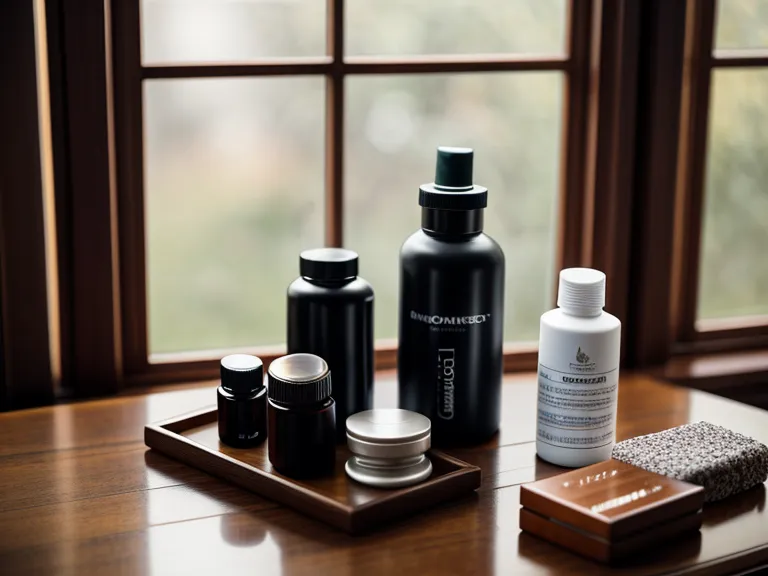
Four Bottles, Four Different Jobs
I'm not going to rank four bottles side by side in this post — I've done that exercise elsewhere, and it deserves its own space rather than a rushed paragraph here. What I will say is that not every supplement is aimed at the same problem. Some lean toward general hearing support. Others lean toward the brain's side of the equation, the part that makes sense of the sound once your ears hand it over. For a look at how Audifort compares to something built more around that angle, Comparing ZenCortex to Other Natural Supplements for Mental Clarity goes into more detail than I will here. I won't get into the ingredient science in this post either — that's a different, more technical conversation.
Quietum Plus is the one I reach for on nights when the ringing gets loud after a long day — a different problem than volume, and a different tool for it. I'm not calling it a cure for anything, because it isn't one, and anyone who tells you otherwise is selling harder than the evidence supports.
The Fullness That Isn't About Volume
Some days the problem isn't missing words at all — it's a clogged, pressured feeling in the ear that has nothing to do with how loud anything is. Can Quietum Plus help with that clogged ear feeling after age 50? is worth a look if that sounds familiar, because that sensation and ordinary volume loss are two separate things, even though they get lumped together constantly.
What I'd Tell Someone Starting Their Own Log
Protect what you've still got before you worry about getting more of it back — lower the volume before you raise it, and don't assume a supplement replaces that habit. The terminology gets confusing fast too — a term like "auditory clarity" gets used loosely online, and a plain glossary of what these words actually mean is more useful than another ad promising results.
Cost adds up between hearing aids, supplements, and checkups, and that math is worth doing against your own budget, not mine. Whether results hold up over months is a longer, separate question too, better answered by a proper multi-month update than a guess dropped into this post. What actually matters for someone starting their own log is smaller than any of that: write down what felt easy and what felt like work, every day for a while, and bring anything that's getting worse quickly, not slowly, to a real audiologist.
That's the short version of a year of notes — not a miracle, just fewer days spent nodding along and hoping nobody asks a follow-up question. If any of this sounds familiar, Audifort is the one piece of my own routine I'd point to first, alongside the hearing aids and the log itself, not in place of either one.