
A school cafeteria at full lunch rush runs past 85 decibels, and I spent thirty years standing in the middle of one. Retirement was supposed to slow things down, but building a real hearing health routine at 56 turned into its own second job — batteries, cleanings, supplements, and a habit of keeping a log so I don't lose track of what's actually helping. Call it retirement wellness with a clipboard attached — nobody hands you a senior living budget line for "staying in the conversation," but that's basically what this is.
Quick disclosure before anything else: some of the links ahead are affiliate links, and if you buy through them I earn a small commission at no extra cost to you. Nothing here comes from a medical degree, because I don't have one. I'm a retired school principal, not a doctor or an audiologist, and everything below comes from my own log and my own ears.
The Principal's Tax Didn't End at Retirement
Thirty years in school hallways, gymnasiums, and cafeterias will do something to your ears that you don't notice until it's already done. Cafeteria noise like that felt normal to me — the sound of a busy, healthy school — right up until it wasn't just cafeteria noise anymore, it was every restaurant, every family gathering, every phone call. Gymnasiums were their own special problem, actually — that particular echo off hard walls swallows clarity in a way I've broken down in more detail elsewhere.
My wife noticed before I did — she's the one who eventually said something, and hearing it from her stung more than I expected. She'd repeat something at dinner, I'd nod along like I'd caught it, and then get quietly caught out ten minutes later, laughing at the wrong moment or answering a question nobody had actually asked.
Harriet Bloom, my old vice-principal, still forwards me hearing-health articles every so often without a word of commentary — just the link, no explanation, so I'm left to draw my own conclusions. She's the kind of person who lets you get there yourself, which I've come to appreciate more since I started actually listening to what she sends.
Here is the thing nobody tells you about hearing loss creeping in slowly: you don't miss the loud stuff. You miss the quiet stuff — the specific pitch of a granddaughter's laugh from across a noisy room, the small sounds that used to just arrive without any effort at all, and underneath all of it, a quiet loneliness that comes from nodding along instead of actually following along, which is its own subject I've sat with at length elsewhere.

The Real Monthly Cost of Hearing Health After Retirement
Getting the hearing aids felt like crossing the finish line, except it wasn't one. Hardware is maybe half of it. Between batteries, cleanings, and the supplements I've added on top, staying in the conversation costs something every single month, the same way keeping an old car running costs something every month long after the sticker price is paid off.
Retirement changes how you think about that kind of ongoing cost. A former student of mine, doing freelance work now with no employer benefits to lean on, reminded me how much of this comes entirely out of pocket for most people. I got lucky with coverage on the hardware side, at least, but the extras still add up in a way nobody warns you about.
I've gone into more detail elsewhere about why I decided to try hearing supplements despite my audiologist raising an eyebrow at the idea, and separately about why I stick with both hearing aids and supplements instead of picking one lane, so I won't repeat all of it here. The short version: I wanted more than volume. I wanted clarity, and cranking the volume up on hearing aids alone never quite got me there.
A drugstore ear amplifier was my first attempt at that, and it was a waste — everything came through tinny and too loud at once, like a radio caught between two stations. What I actually needed was something working on the brain side of hearing, not just the volume side, which is what eventually got me looking at supplements instead of gadgets.
What Did Ten Weeks of Tracking Actually Show?
Running a school for three decades means you don't operate without a clipboard and a plan, so a tracking log was the obvious next move. Restaurant dinners, phone calls with my brother, Sunday gatherings, even quiet stretches at the Milton Public Library reading room where I go most weekends now — all of it went into the same simple notebook, week after week.
Each entry covers the same handful of things: whether I can follow the person across the table without leaning in, whether my aids let out that sharp feedback whistle when I lean in for a hug, whether the volume number on the TV remote is creeping down instead of up, and whether I need a quiet hour to recover after a loud social afternoon — phone calls especially, which drain me in a way I've picked apart elsewhere in more detail. None of it is scientific. All of it is honest.
A pill isn't a fix for age-related hearing loss, and I'm not pretending otherwise — it's support, not a cure. A few of my old colleagues lean on Quietum Plus instead, mostly for the ringing-in-the-ears side of things.
One of them is a regular correspondent named Vincent Palumbo, up near Providence, who started emailing me after reading my first tracking log and never stopped — we trade voice memos now instead of typing, because typing back and forth about hearing loss felt strangely easy to misread. He spent years as a high school football referee, so his real benchmark isn't a dinner table, it's whether he can still hear a coach shouting from the far sideline. He runs his supplement alongside his hearing aids rather than picking one or the other, same as I do.

A Sunday Dinner Where I Stopped Watching Lips
Somewhere around the tenth week of keeping the log, my granddaughter told a long, winding story about a school project at Sunday dinner, and I followed every twist of it without once watching her mouth to fill in gaps I couldn't hear. That habit — watching mouths instead of just listening — had become so automatic that I only noticed it was gone once it was already gone.
The dogs were barking, my son-in-law was mid-joke, and the television was still going in the other room, and none of it swallowed the conversation the way it used to. A few months earlier I would have drifted toward the porch just to get some quiet. This time I stayed at the table for the whole meal.
Background noise used to wreck every dinner out, but The restaurant roar doesn't feel like the enemy anymore. It's just noise underneath a life I'm actually part of again, instead of watching it from the edge.
Start Your Own Log Before You Miss Something
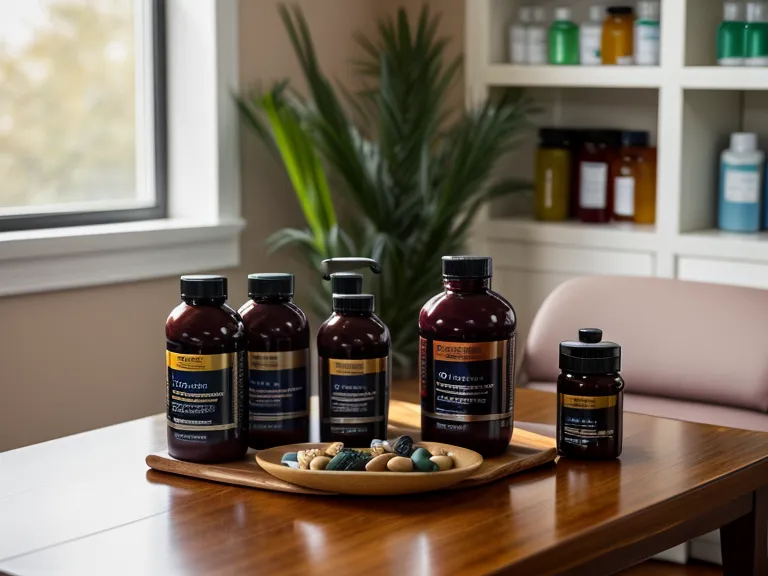
If you're nodding along to conversations you can't actually hear, that doesn't have to be the ending. Whether that means looking at Audifort for the clarity side of things or just booking a first appointment with an audiologist, the first step matters more than which one you take. Audifort is worth it for me specifically because it closes some of the gap between what my ears pick up and what my brain does with it — and the two-month refund window took most of the risk out of trying it in the first place.
Start a log of your own, even a simple one. Notice where the struggle actually happens — the dinner table, the phone, the quiet room at the library — instead of guessing at it after the fact. That's the one thing that's actually changed how I handle this: I stopped reacting to bad days and started tracking patterns instead, which made every other decision, supplements included, a lot less like guesswork.
If nutritional support is something you're curious about, check out their approach here and see whether it fits into whatever plan you and your own doctor land on. It's made a real difference for one retired principal trying to keep up with his grandkids — that's the most I can honestly promise anyone.